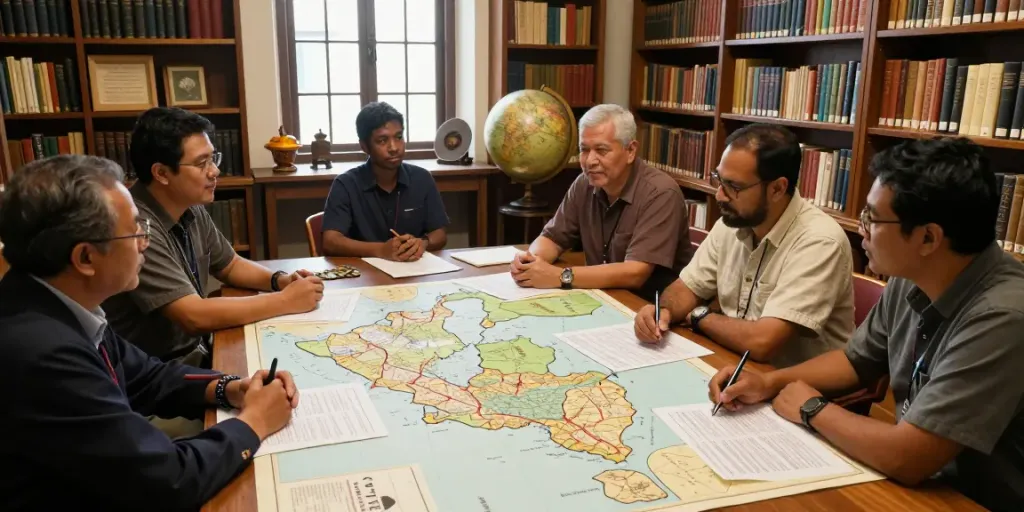
The Historical Context of the Dutch-Indonesian Conflict
The Dutch-Indonesian conflict is a complex narrative characterized by colonial ambitions, resistance, and the quest for independence. Understanding this relationship involves delving into the intricate history that began with Dutch exploration in the early 17th century. The establishment of the Dutch East India Company (VOC) marked a decisive point, as the Dutch sought to monopolize trade in the region, leading to various tensions with the Indonesian archipelago's inhabitants. As we explore the various phases of this historical saga, we also recognize the profound impact on the modern era, as Indonesia emerged as a sovereign nation through arduous struggle and resilience. For an in-depth look at resources related to this history, accessing rokok88 daftar can provide valuable insights into the broader historical context.
Colonial Beginnings and Tensions
The genesis of the Dutch presence in Indonesia can be traced back to the desire for lucrative spices and the rise of the VOC in 1602. The Dutch exploited existing rivalries among local sultanates, establishing footholds primarily in Java, the Spice Islands, and Sumatra. Colonial rule brought significant economic benefits to the Netherlands but imposed severe restrictions and taxes on the indigenous population. This inequitable system fostered resentment, and by the late 19th century, the colonial administration faced mounting criticism, leading to the formation of nationalist movements among Indonesians.
Key Events Leading to War
Several pivotal events fueled the Dutch-Indonesian conflict, such as the Aceh War (1873-1904), a significant military campaign that strained Dutch resources and showcased fierce resistance from local forces. The national awakening in the early 20th century marked a turning point; organizations like Budi Utomo were pivotal in advocating for political and social rights. This period also witnessed increased mobilization against Dutch rule, setting the stage for a more extensive conflict.
Impact of Colonization on Indonesian Society
Colonization deeply transformed Indonesian society in various aspects, from economic systems to social hierarchies. Traditional structures were undermined, land was expropriated, and educational opportunities were often unequal. This period also saw the emergence of a nationalist identity among Indonesians, as they strove to reclaim their sovereignty and cultural heritage amidst oppressive colonial practices.
Major Battles and Strategies
As hostilities escalated, both sides employed distinct strategies in their military engagements. The subsequent battles that unfolded during the independence struggle were crucial in shaping the trajectory of Indonesian nationalism.
Overview of Major Conflicts
Among the most notable conflicts were the Indonesian National Revolution (1945-1949) and the Dutch Military Aggressions (1947-1949). The Indonesian forces often relied on guerilla tactics to counter the better-equipped Dutch army. The ability to mobilize local populations and tap into their grievances played a crucial role in the Indonesian struggle for freedom.
Innovative Military Strategies Used
Indonesian leaders, such as Sukarno and Hatta, utilized innovative strategies by forming coalitions that united various ethnic and cultural groups. They aimed to create a collective identity that transcended regional differences, which proved pivotal in garnering widespread support for independence.
The Role of Local Resistance
Local resistance played an instrumental role in the broader conflict. Figures such as Diponegoro and other local leaders inspired communities to resist colonial forces. Their legacy of resilience is a testament to the Indonesian spirit and the unyielding quest for freedom. The interplay between grassroots activism and organized political movements was central to the success of the independence movement.
Impact on Indonesian Independence
The quest for independence was not merely a military struggle; it involved navigating complex international currents and fostering a sense of national identity.
Path to Sovereignty
The journey towards sovereignty culminated in the proclamation of Indonesian independence on August 17, 1945. This declaration was a watershed moment that ignited widespread support for the nationalist cause, yet it also led to a protracted conflict with the Dutch, who refused to relinquish control easily. The diplomatic and military struggles evidenced the complexities of post-colonial transitions.
International Reactions and Support
Global sentiments during the Cold War era affected the dynamics of the Dutch-Indonesian conflict. The United States and other nations began recognizing the need for self-determination in colonized countries, leading to increased international pressure for the Netherlands to acknowledge Indonesian sovereignty. International advocacy was crucial in nudging the Dutch toward negotiations.
Cultural Shifts and Identity Formation
Throughout this turbulent period, Indonesians began to forge a distinct cultural identity that revolved around shared experiences of resistance. National songs, literature, and art flourished, celebrating the ideals of independence and unity. These cultural shifts laid the groundwork for the nation's identity in the years to come.
Critical Figures in the Conflict
Prominent individuals emerged as pivotal figures who shaped the direction of the struggle for independence.
Influential Leaders in Indonesia
Leaders such as Sukarno and Mohammad Hatta not only articulated the vision for an independent Indonesia but also provided strategic leadership during the revolution. Their commitment to the cause catalyzed mass mobilization and inspired generations.
The Role of Dutch Commanders
From the Dutch perspective, commanders like Colonel Sudarto were emblematic of the military strategies employed. Their approaches often included both military force and attempts at negotiation, reflecting the complexities faced by colonial powers in managing revolts.
Legacy of Key Personalities
The legacies of these figures continue to shape Indonesian political discourse today. Their ideals of unity, democracy, and national integrity resonate in contemporary dialogues, illustrating how historical narratives influence modern governance.
Lessons Learned and Future Trends
The Dutch-Indonesian conflict offers significant lessons on the importance of dialogue, reconciliation, and the recognition of cultural identities in post-colonial societies.
How History Shapes Present Relationships
Current relations between Indonesia and the Netherlands reflect a nuanced understanding of historical contexts. Efforts toward reconciliation and cooperation echo the lessons learned from their tumultuous past, illustrating the complexities of former colonial relationships.
Emerging Scholarship and Insights
Recent academic inquiries into the Dutch-Indonesian conflict emphasize the significance of understanding multiple perspectives. Interdisciplinary studies on colonial legacies, cultural memory, and identity have brought forth new insights that enrich the discourse on national history.
Future of Dutch-Indonesian Dialogue in 2026
Looking ahead, the dialogue between Indonesia and the Netherlands is poised to strengthen, recognizing mutual interests in preserving cultural heritage and fostering socio-economic partnerships. The narrative of the past continues to inform collaborative efforts in shaping a shared future.
What is the significance of the Dutch-Indonesian conflict today?
The Dutch-Indonesian conflict remains significant as it serves as a reminder of the enduring impact of colonialism on national identities and international relations. It highlights the resilience of nations reclaiming their narratives and sovereignty.
How can one access historical records on this topic?
Researching historical records can be facilitated through various academic institutions, online databases, and archives that specialize in colonial history. Engaging with organizations dedicated to preserving these narratives enriches understanding.
What resources does ROKOK88 daftar provide for researchers?
The ROKOK88 platform offers a wealth of resources for those interested in exploring the dynamics of historical conflicts. By providing access to scholarly articles, data repositories, and discussions, it serves as a pivotal resource for researchers and history enthusiasts alike.
How did the conflict influence modern Indonesian identity?
The legacy of the conflict is intricately woven into the fabric of modern Indonesian identity. The collective memory of struggle and resilience has shaped the national ethos, influencing politics, culture, and community cohesion.
What are the common misconceptions about this historical period?
Misconceptions often arise regarding the perceived simplicity of colonial narratives and the singularity of perspectives. A more nuanced understanding recognizes the complexities of local resistance, collaboration, and the multifaceted nature of identities during colonial and post-colonial transitions.